
Protein quietly does more for older adults than almost any other nutrient. It keeps muscles strong, helps the body recover from illness, and supports everything from balance to immune health. Yet many seniors eat less of it than they did at forty, at exactly the time their bodies need more. Here is why protein matters so much later in life, how much is enough, and simple ways to get it onto the plate.
Why the Body Needs More Protein After 60
From around the age of 50, adults gradually lose muscle. Researchers call this sarcopenia, and it accelerates if muscles are not fed and used. Muscle is what lets someone rise from a chair, carry groceries, or catch themselves after a stumble, so losing it affects independence long before it shows up on a scale.
Older bodies also become less efficient at turning dietary protein into new muscle, a change sometimes called anabolic resistance. The same meal that maintained muscle at 35 may not be enough at 75. The practical answer is straightforward: eat a little more protein, and spread it through the day.
How Much Is Enough
The general guideline for adults is about 0.8 grams of protein per kilogram of body weight each day. Many geriatric nutrition experts recommend that healthy older adults aim higher, around 1.0 to 1.2 grams per kilogram. For a 150-pound person, that works out to roughly 70 to 80 grams a day.
Timing matters as much as the total. The body can only use so much protein in one sitting, so a small breakfast, a large dinner, and nothing in between leaves muscle underfed for most of the day. Aiming for 20 to 30 grams at each of three meals is a realistic target that fits how most people already eat.
Anyone with kidney disease or another medical condition should check with their doctor before increasing protein, since some conditions call for a lower intake.
What Protein Does Beyond Muscle
- Recovery. After surgery, a fall, or a bout of flu, the body draws heavily on protein to repair tissue and rebuild strength. Seniors who eat well recover faster and are less likely to lose ground.
- Bones. Protein works alongside calcium and vitamin D to maintain bone density, lowering the risk of fractures.
- Immunity. Antibodies and many immune cells are built from protein. Low intake is linked to more frequent infections.
- Appetite and weight. Protein is satisfying, which helps people who struggle to keep weight on feel nourished, and helps those trying to manage weight feel full.
Everyday Sources That Work for Seniors
The best protein is the kind that actually gets eaten. Soft, familiar foods are easier to chew and digest, and they can carry plenty of protein.
- Eggs. About 6 grams each, gentle to eat, and endlessly adaptable. Scrambled with spinach makes an easy breakfast or light supper.
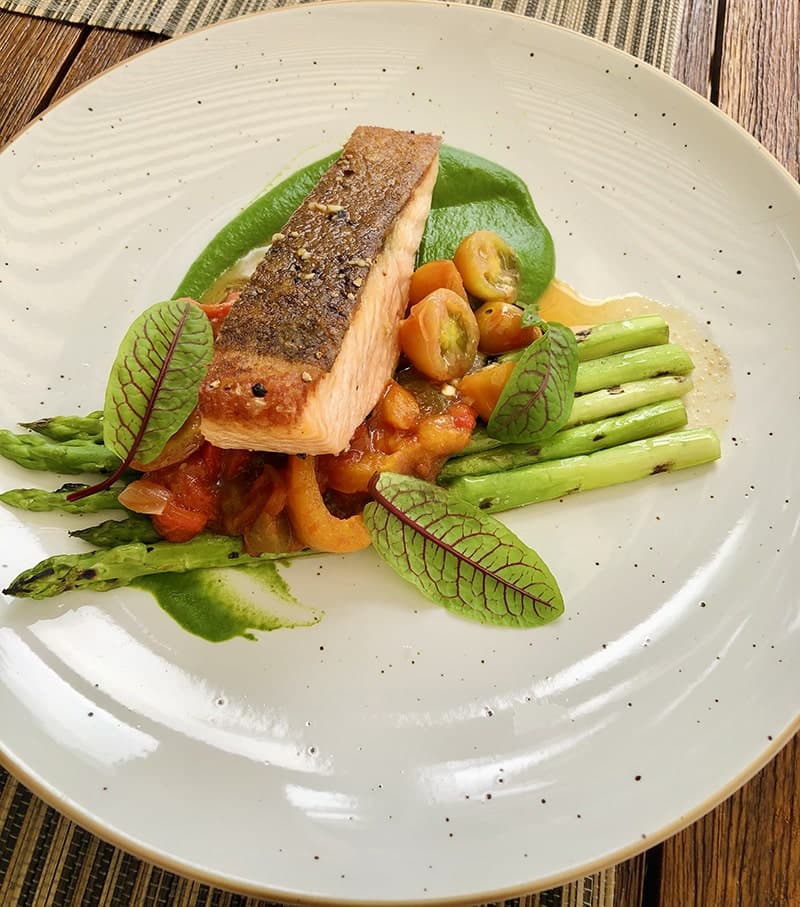
- Fish. Salmon, cod, and tuna offer 20 grams or more per serving, and baked fish stays tender. Salmon adds omega-3 fats that support heart and brain health.
- Poultry. Roasted or slow-cooked chicken and turkey stay moist and shred easily into soups and wraps.
- Dairy. Greek yogurt, cottage cheese, and milk are soft, calcium-rich, and quick. A cup of Greek yogurt can provide 15 to 20 grams.
- Beans and lentils. Simmered until soft, they give fiber alongside protein. A bowl of lentil soup is comforting and filling.
- Tofu. Mild, soft, and takes on the flavor of whatever it is cooked with.
Small Habits That Add Up
- Start the day with protein rather than toast alone. Eggs, yogurt, or oatmeal made with milk all help.
- Keep a few ready sources on hand: hard-boiled eggs, cheese sticks, a tub of cottage cheese, canned tuna or salmon.
- Add a scoop of beans or a piece of fish to soups and salads that would otherwise be mostly vegetables.
- Stay active. A short daily walk or light resistance exercise tells the body to use the protein it is given.
A Note From Our Kitchen
At FlavorMaestro, every meal we cook for seniors is built around a real serving of protein, prepared so it is soft, moist, and easy to enjoy. Balanced nutrition should never feel like a chore, and it certainly should not taste like one. Good protein, cooked with care, is one of the simplest ways to help someone stay strong at home.